

Loan program
Conventional
A widely used mortgage that is not insured by FHA, VA, or USDA. It can fit primary homes, some second homes, and certain investment properties.
Overview
What it is
A conventional loan is a mortgage that is not guaranteed or insured by a federal agency. Most are purchased by Fannie Mae or Freddie Mac when they meet those agencies’ guidelines. Those are often called conforming loans.
Conventional financing is common for buyers who have some savings, a credit history that lenders can underwrite, and a property that fits standard occupancy and condition rules. It is not automatically “better” than FHA or VA. It is simply a different set of trade-offs.
Your Hancock loan officer will look at occupancy, down payment, credit, income, and the property, then tell you whether conventional is the cleanest fit, or whether another program may serve you better.
Who it may be good for
- Buyers purchasing a primary home who can document income and have some down payment available.
- Homeowners refinancing an existing conventional loan when the numbers still work after costs.
- Some second-home and investment purchases, with different down payment and reserve expectations than a primary residence.
How it works
- 01
You and your loan officer choose a loan amount, term, and rate structure (often a 15- or 30-year fixed, sometimes an ARM).
- 02
If you put down less than 20% on many primary-residence conventional loans, private mortgage insurance (PMI) may apply until you reach a required equity level.
- 03
The file is underwritten to agency or investor guidelines. Appraisal, title, insurance, and closing disclosures follow the same consumer-protection timeline as other purchase mortgages.
Potential advantages
- Can be used for a wide range of occupancy types compared with some government programs.
- PMI, when required, can often be removed later once you have enough equity, unlike some mortgage insurance that stays for the life of the loan.
- Gift funds, seller credits, and certain down-payment assistance may still be possible, depending on the overlay and occupancy.
Things to consider
- Credit, debt-to-income, and reserve requirements can be tighter than FHA for some borrowers.
- Investment and second-home guidelines typically ask for more down payment and more cash in reserve.
- Conforming loan limits change by county and year. Amounts above those limits are jumbo, not conventional conforming.
- Hancock does not publish live rates here. Pricing depends on the file, lock period, and market.
The house
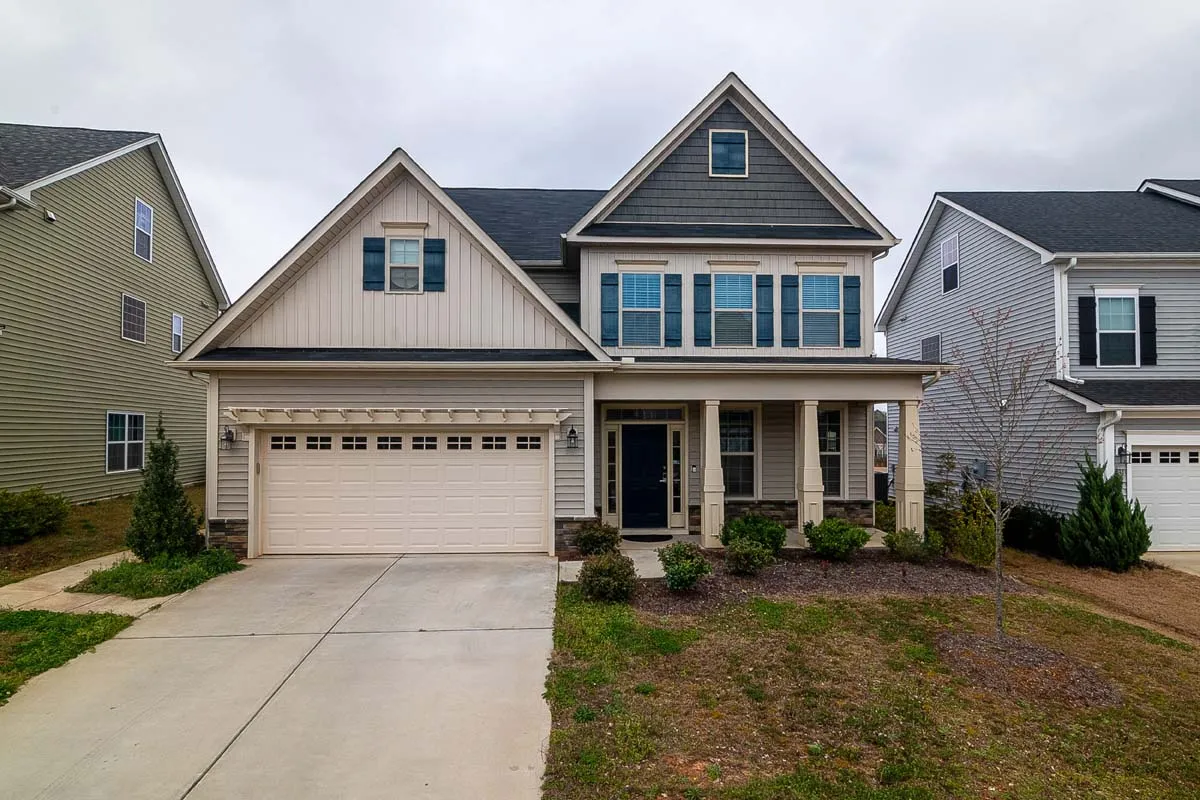
The program is a tool. The point is a house you can live in.
Common questions
Questions about Conventional loans
It depends on occupancy, credit, and the specific program. Some primary-residence conventional options allow relatively low down payments; investment properties usually require more. A loan officer can map this to your file rather than a generic percentage.
Ready when you are
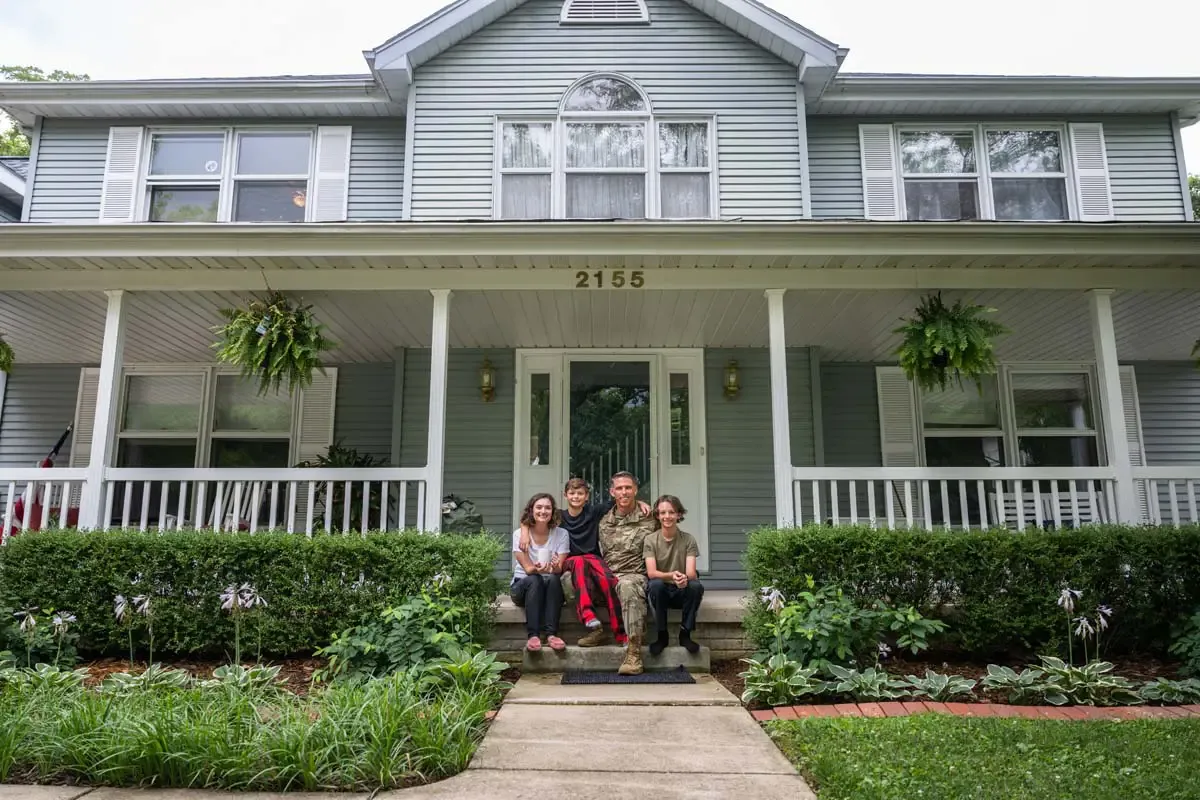
The house is the point.
Whether you’re buying your first home, moving into your next one, refinancing, or exploring your options, we’re here to help you figure out the next step.