

Loan program
First-time homebuyer
Education, program matching, and a calmer first purchase, not a single product name.
Overview
What it is
“First-time homebuyer” is a situation, not a loan type. FHA, conventional, VA, and USDA can all be first-purchase loans. What changes is the education, the cash-to-close plan, and how competitive your offer looks with a real pre-approval.
Many first-time buyers over-focus on the sticker price and under-focus on the monthly number: principal, interest, taxes, insurance, HOA, and any mortgage insurance.
Hancock’s job is to make the sequence obvious: budget, documents, pre-approval, house hunt, contract, closing. You should never be guessing what happens next.

Who it may be good for
- Buyers who have never owned a home.
- Buyers who have not owned in several years and may still qualify for first-time programs in some markets.
- Anyone who wants the process explained in plain language before they write an offer.
How it works
- 01
Start with an illustrated payment and a conversation about credit, income, and savings, not a listing you already love.
- 02
Your loan officer matches possible programs and tells you what cash to close could look like.
- 03
You shop with a letter that means something to a seller, then keep documents current until keys.
Potential advantages
- You get a structured path instead of learning the process from social media.
- Multiple loan types can be compared for the same house.
- Gift funds and assistance programs may apply depending on location. They are never assumed.
Things to consider
- First-time assistance programs are local and eligibility-based. Hancock will not list a grant that may not exist in your county.
- Pre-qualification is not pre-approval. Sellers can tell the difference.
- Buying “as much house as the letter allows” is how people become house-poor. Affordability is a lifestyle question.

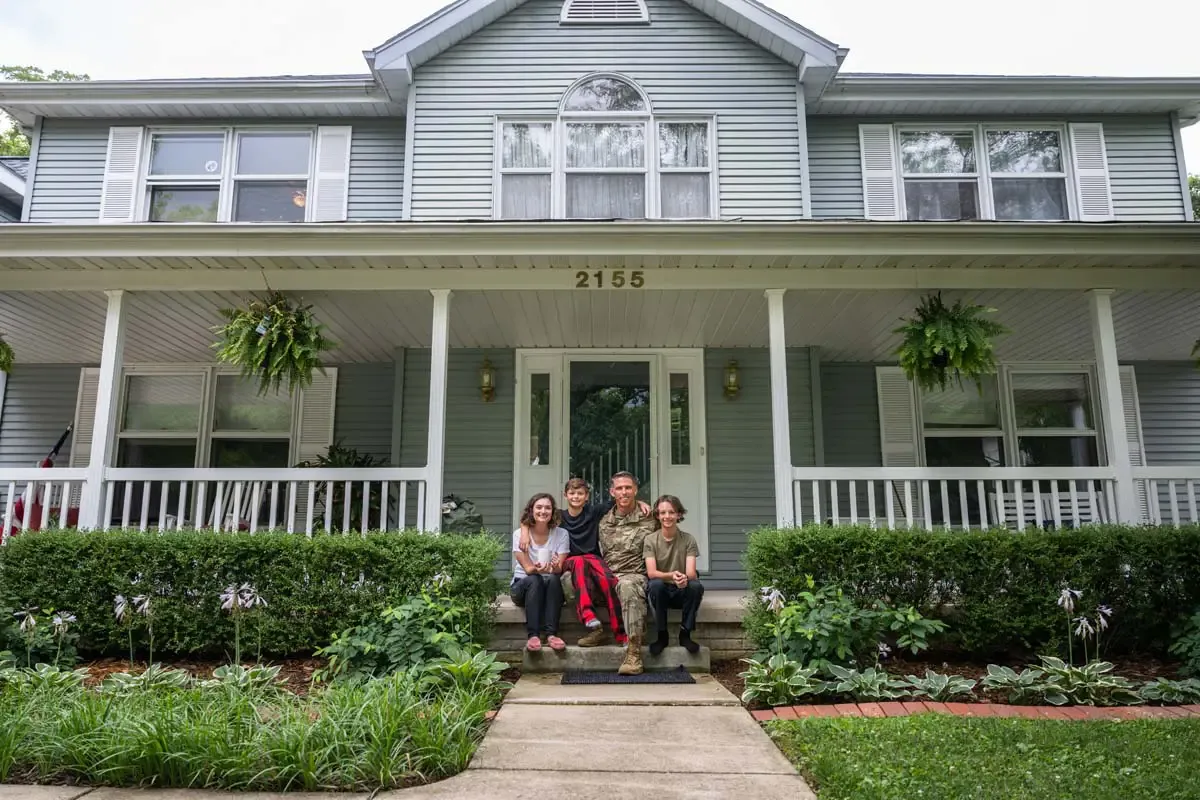
The first keys
The first purchase is a process, not a mystery. Pre-approval, a real file, then the house.
Common questions
Questions about First-time homebuyer loans
Down payment, closing costs, and reserves after closing. The mix depends on the program. Some eligible borrowers put down relatively little; they still need cash for closing and a buffer. Use the calculator, then talk to an officer.
Ready when you are
The house is the point.
Whether you’re buying your first home, moving into your next one, refinancing, or exploring your options, we’re here to help you figure out the next step.